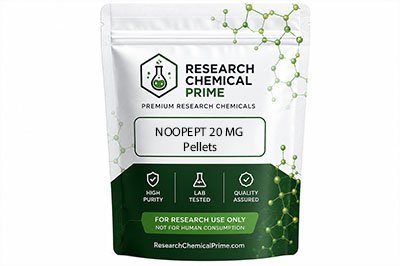
Noopept 20 mg Pellets | Peptidergic Research Compound & Analytical Standard
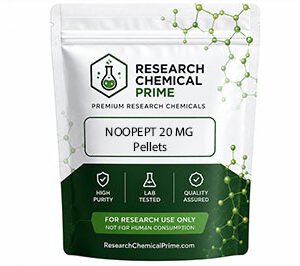
Noopept 20 mg pellets (N-phenylacetyl-L-prolylglycine ethyl ester) is a specialized peptidergic research compound. Due to its distinct molecular architecture and high molar affinity, it serves as a critical reference standard for advanced scientific investigation into glutamatergic and cholinergic signaling pathways, receptor kinetics, and neurotrophic factor modulation in controlled laboratory environments.
Supplied in precisely compressed 20 mg pellets, this format is specifically engineered for laboratories requiring exceptional dosing consistency and rapid dissolution in analytical solvents or cell culture media. It eliminates the static loss, aerosolization risks, and cross-contamination associated with manual micro-weighing of raw powders, ensuring reproducible results for quantitative in vitro workflows.
Key Features & Quality Assurance
- High Analytical Purity (≥99%): Rigorously verified Noopept 20 mg pellets via HPLC to ensure reliable baseline data, with confirmed absence of heavy metals, microbial contaminants, and solvent residues.
- Standardized Analytical Load: Each Noopept 20 mg pellet contains exactly 20 mg of the active compound, facilitating precise and reproducible stock solution preparation.
- Optimized Dissolution Matrix: Formulated for rapid and complete dissolution in standard laboratory solvents (e.g., distilled water, PEG-400, DMSO), ensuring accurate in vitro concentration delivery.
- Comprehensive Documentation: Batch-specific Certificate of Analysis (CoA) is available upon request for accredited research institutions.
Primary Research Applications
- Receptor Modulation Assays: In vitro evaluation of ligand interactions and modulatory effects within glutamate and acetylcholine receptor systems.
- Neurotrophic Factor Studies: Investigation of BDNF (Brain-Derived Neurotrophic Factor) and NGF (Nerve Growth Factor) expression modulation in controlled neuronal cell cultures.
- Electrophysiological Studies: Application in brain slice preparations or multi-electrode array (MEA) setups to measure influence on neuronal excitability and Long-Term Potentiation (LTP).
- Comparative Pharmacological Profiling: Benchmarking against classical racetams to map structural impacts on receptor binding kinetics and molar affinity.
Technical Specifications
| Chemical Name | N-phenylacetyl-L-prolylglycine ethyl ester |
| Molecular Formula | C₁₇H₂₂N₂O₄ |
| Molecular Mass | 318.37 g/mol |
| Formulation | Compressed 20 mg pellets |
| Purity | ≥99% (HPLC Verified) |
| Solubility | Soluble in distilled water, PEG-400, and DMSO |
Handling & Safety Protocols for Researchers
- Controlled Environment: Handle exclusively in a professional, ventilated laboratory setting. Avoid direct contact with skin or mucous membranes.
- Mandatory PPE: Always utilize appropriate Personal Protective Equipment, including a laboratory coat, chemical-resistant nitrile gloves, and safety glasses.
- In Vitro Concentration Guidelines: For cellular assays, typical working concentrations require careful optimization (e.g., µM range) depending on the specific cell line and assay protocol to avoid assay interference.
- Storage Requirements: Store in airtight, light-proof containers at controlled room temperature (15–25°C) with low humidity to maintain stability.
- ⚠️ Critical Warning: Noopept 20 mg pellets is a research chemical reference standard only. It is NOT approved, tested, or intended for human or animal consumption, therapeutic use, or household application.
Frequently Asked Questions (FAQ)
Why is this supplied in pellet form?
The compressed pellet matrix provides a standardized, easily dissolvable substrate for rapid and homogeneous extraction into aqueous buffers or organic solvents. This eliminates the static loss and weighing errors associated with handling raw peptidergic powders.
What is the structural difference between Noopept and Piracetam?
Noopept possesses a distinct peptidergic structure (containing a prolylglycine dipeptide motif) compared to the 2-pyrrolidone structure of Piracetam. In in vitro assays, this grants Noopept a significantly higher molar affinity for specific receptor targets, making it a valuable compound for comparative structure-activity relationship (SAR) studies.
What is the regulatory status of this compound?
Regulatory status varies by jurisdiction. While it may not be classified under specific controlled substance frameworks (like the Opium Act) in all regions, it is strictly regulated as a research chemical and is not approved as a pharmaceutical medicine. It is permitted solely for authorized scientific research. The purchaser is responsible for verifying local compliance.
Reviews
There are no reviews yet.