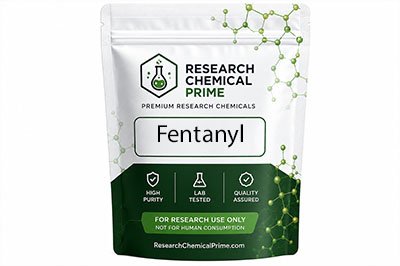
Fentanyl – Product Information (Neutral and Informative)
General Description
Fentanyl is a synthetic opioid used as a powerful pain-relieving medication. It belongs to the class of opioid analgesics and is many times more potent than morphine. Due to its high effectiveness, fentanyl is used in medical settings to treat severe and persistent pain, such as pain following major surgery, cancer-related pain, or pain in patients who do not respond adequately to other pain medications.
Mechanism of Action
Fentanyl works by binding to opioid receptors in the central nervous system. This reduces the perception of pain and often produces a feeling of relaxation. Depending on the method of administration, fentanyl can act very quickly.
Dosage Forms
Fentanyl is available in several pharmaceutical formulations, including:
- Injections (for acute pain management in hospitals)
- Transdermal patches (for continuous pain control)
- Lozenges or nasal sprays (for breakthrough cancer pain)
Medical Uses
- Severe chronic pain (such as cancer-related pain)
- Pain management following major surgery
- Pain relief for patients who have developed tolerance to other opioids
Important Warnings and Risks
Although fentanyl is highly effective, it carries significant risks, including respiratory depression, physical dependence, and overdose. For this reason, fentanyl should only be used under strict medical supervision. Misuse of fentanyl can be life-threatening.
Conclusion
Fentanyl is an extremely potent medication that plays an important role in pain management when used appropriately and under medical supervision. Its use is strictly regulated and limited to medically prescribed treatment.
Frequently Asked Questions About Fentanyl
1. What is fentanyl?
Fentanyl is a synthetic opioid used in medicine to treat severe pain. It is significantly more potent than morphine and is typically prescribed when other pain medications are not sufficiently effective.
2. How is fentanyl used in medical treatment?
Healthcare professionals prescribe fentanyl for patients experiencing severe chronic pain, such as cancer-related pain, or for pain following major surgery. Depending on the patient’s medical needs, it may be administered as an injection, transdermal patch, lozenge, or nasal spray.
3. Why is fentanyl considered dangerous?
Because fentanyl is extremely potent, even small amounts can cause life-threatening respiratory depression. Misuse or accidental overdose carries a high risk of serious injury or death.
4. Can fentanyl be addictive?
Yes. Like other opioids, fentanyl has the potential to cause physical dependence and addiction. Patients receiving fentanyl should be closely monitored by their healthcare provider.
5. What are the most common side effects of fentanyl?
Possible side effects include drowsiness, nausea, constipation, confusion, and dizziness. Serious adverse effects include slowed or difficult breathing, which can be fatal.
6. How can fentanyl misuse be prevented?
Fentanyl should only be used under strict medical supervision. Patients should carefully follow their healthcare provider’s instructions, store the medication securely, and never share it with others.
7. Is pharmaceutical fentanyl the same as illicit fentanyl?
No. Pharmaceutical fentanyl is manufactured under strict quality and safety standards and is prescribed by licensed healthcare professionals. Illicitly manufactured fentanyl, which is often mixed with other substances, is a major contributor to overdose deaths worldwide.


Reviews
There are no reviews yet.