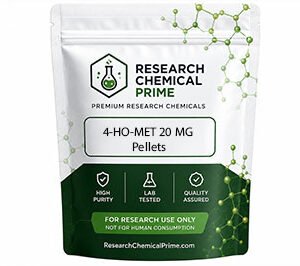
4-HO-MET 20 mg Pellets | Tryptamine Analytical Reference Standard
4-HO-MET (4-Hydroxy-N-methyl-N-ethyltryptamine), occasionally referenced in literature as Metocin, is a specialized synthetic substituted tryptamine. Structurally analogous to psilocin and 4-HO-DMT but featuring distinct N-methyl and N-ethyl substitutions, it possesses a unique pharmacological profile. This makes it a critical reference standard for advanced scientific investigation into serotonergic signaling pathways, receptor kinetics, and structure-activity relationships (SARs) within the broader hydroxyltryptamine class.
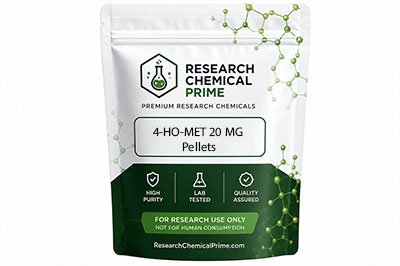
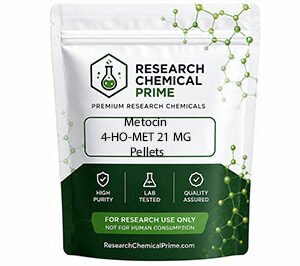
Supplied in precisely compressed 20 mg pellets, this format is specifically engineered for laboratories requiring exceptional dosing consistency and rapid dissolution in analytical solvents. It eliminates the static loss, aerosolization risks, and cross-contamination associated with manual micro-weighing of raw powders, ensuring reproducible results for quantitative in vitro workflows.
Key Features & Quality Assurance
- Standardized Analytical Load: Each pellet contains exactly 20 mg of the active compound, facilitating precise and reproducible stock solution preparation.
- High Analytical Purity (≥98%): Rigorously verified via HPLC and Mass Spectrometry to ensure reliable baseline data and minimal synthetic impurities.
- Optimized Dissolution Matrix: Formulated for rapid and complete dissolution in standard laboratory solvents (e.g., ethanol, DMSO), ensuring accurate in vitro concentration delivery.
- Professional Packaging: Sealed in light-proof, airtight packaging to ensure maximum chemical stability and extended shelf life.
Primary Research Applications
- Receptor Binding Assays: In vitro evaluation of ligand affinity and agonist profiles at specific serotonergic receptor subtypes, particularly 5-HT2A and 5-HT1A.
- Comparative Structure-Activity Relationship (SAR) Studies: Analytical comparison with psilocin, 4-HO-DMT, and 4-HO-MiPT to map the pharmacological impact of specific nitrogen substitutions.
- Forensic & Analytical Reference: Utilized as a certified calibration standard for method validation and detection in toxicological laboratories (LC-MS / GC-MS).
- In Vitro Metabolic Profiling: Investigation of enzymatic conversion kinetics and metabolic stability in controlled cellular or microsomal models.
Technical Specifications
| Chemical Name | 4-Hydroxy-N-methyl-N-ethyltryptamine |
| Molecular Formula | C₁₃H₁₈N₂O |
| Molecular Mass | 218.30 g/mol |
| Formulation | Compressed 20 mg pellets |
| Purity | ≥98% (HPLC & MS Verified) |
| Solubility | Freely soluble in ethanol and DMSO; moderately soluble in water |
Handling & Safety Protocols for Researchers
- Light & Moisture Sensitivity: Hydroxyltryptamines are photosensitive and hydrolytically unstable in prolonged aqueous solutions. Store in airtight, light-proof containers at controlled temperatures (2–8°C recommended).
- Controlled Environment: Handle exclusively in a professional, ventilated laboratory setting (preferably under a certified fume hood) to prevent aerosol exposure.
- Mandatory PPE: Always utilize appropriate Personal Protective Equipment, including a laboratory coat, chemical-resistant nitrile gloves, and safety glasses.
- In Vitro Concentration Guidelines: For cellular assays, pellets can be accurately dissolved to achieve precise micromolar (µM) concentrations depending on the specific assay protocol.
- ⚠️ Critical Warning: This product is a research chemical reference standard only. It is NOT approved, tested, or intended for human or animal consumption, therapeutic use, or household application.
Frequently Asked Questions (FAQ)
What is the structural difference between 4-HO-MET and psilocin?
4-HO-MET features N-methyl and N-ethyl substitutions, whereas psilocin has an N,N-dimethyl substitution. In in vitro receptor binding assays, this alters the steric profile and binding kinetics at 5-HT receptor subtypes, making it a valuable compound for comparative SAR studies.
Why is this supplied in compressed pellet form?
The compressed pellet matrix provides a standardized, easily dissolvable substrate for rapid and homogeneous extraction into analytical solvents. This eliminates the static loss, aerosolization risks, and weighing errors associated with handling raw tryptamine powders.
What is the regulatory status of this compound?
Regulatory status varies significantly by jurisdiction. While it may not be explicitly scheduled under specific frameworks in all regions, it is strictly regulated as a research chemical. It is permitted solely for authorized scientific research. The purchaser is solely responsible for verifying compliance with all local laws.

Reviews
There are no reviews yet.