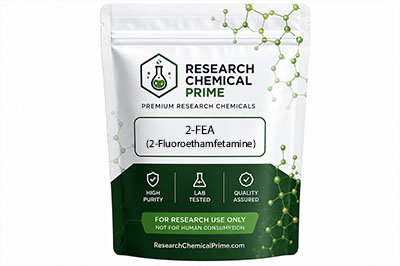
2-FEA — 2-Fluoroethamphetamine Research Chems
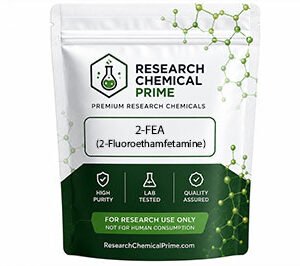
2-FEA is a fluorinated derivative of ethamphetamine. It may be examined in laboratory settings for chemical identification, structural characterization, and the development of analytical methods for related compounds.
Product identity, purity, and quality claims should be supported by appropriate technical documentation before being presented as verified specifications.
Research Applications
Potential areas of laboratory investigation include:
Analytical Chemistry
Chemical identification, chromatographic separation, and impurity profiling using appropriate validated methods.
Structural Chemistry
Comparative examination of fluorinated amphetamine-related molecular structures and their chemical properties.
Forensic Analytical Research
Development and validation of analytical approaches for distinguishing structurally related compounds.
Metabolite Research
Where legally and institutionally authorized, investigation of relevant transformation products using appropriate laboratory methods.
These are general research areas and do not establish that this particular product has been validated for any specific application.
Analytical Characterization
Depending on the research objective, potential analytical methods include:
- HPLC or UHPLC
- LC-MS/MS
- GC-MS where appropriate
- High-resolution mass spectrometry
- NMR spectroscopy
- FTIR spectroscopy
Method selection and interpretation should follow validated laboratory procedures and use suitable reference materials.
Product Specifications
| Specification | Supplied information |
|---|---|
| Compound | 2-FEA |
| Reported purity | ≥98%, supplier claim |
| HPLC testing | Reported by supplier; documentation required |
| GC-MS testing | Reported by supplier; documentation required |
| Batch identification | Not provided |
| Certificate of Analysis | Availability requires confirmation |
The stated purity and analytical-testing claims have not been independently verified.
Quality Control & Documentation
Where available, the supplier should provide:
- Certificate of Analysis (CoA)
- Compound identity confirmation
- HPLC or GC-MS analytical results
- Purity and impurity profile
- Batch number and testing date
- Relevant Safety Data Sheet (SDS)
The use of an analytical method does not, by itself, guarantee a particular purity level or consistent results.
Laboratory Handling
2-FEA should be handled only by appropriately trained personnel in a suitable laboratory environment. Follow the current SDS, institutional risk assessment, and applicable chemical-hygiene procedures.
Use suitable personal protective equipment and laboratory controls based on documented hazards. Avoid environmental release and follow local hazardous-waste requirements.
Storage
Follow the supplier’s current SDS and documented storage recommendations. Protect the material from unsuitable environmental conditions where specified by the manufacturer.
The original source recommends storage between 2–8 °C, but no product-specific evidence was supplied to establish that this temperature range is necessary or validated. Confirm the appropriate conditions before publishing them as a requirement.
Regulatory Information
The legal status of 2-FEA varies by jurisdiction and may change over time. Research institutions should consult current official legislation and the relevant regulatory authorities before handling or researching this compound.
This product is not represented as approved for human consumption, medical treatment, or veterinary use.
Research-Only Disclaimer
For legally authorized scientific research and analytical purposes only. Not intended for human or veterinary consumption.
This description is for chemical reference and laboratory documentation. It is not medical advice or a guarantee of product quality, purity, or suitability for a particular experiment.
Frequently Asked Questions
What is 2-FEA?
2-FEA, or 2-Fluoroethamphetamine, is a fluorinated amphetamine-related compound that may be examined in analytical and structural research.
What purity is reported for this product?
The supplied text reports purity of at least 98%. This remains a supplier claim until supported by appropriate batch-specific analytical documentation.
Which analytical methods can be used to characterize 2-FEA?
Depending on the objective, laboratories may use HPLC/UHPLC, LC-MS/MS, GC-MS, HRMS, NMR, or FTIR.
Is the product intended for human consumption?
No. It is described for legally authorized scientific research and analytical purposes only.
Reviews
There are no reviews yet.